


Choosing the Right Filter Cutting Machine for Your Manufacturing Needs
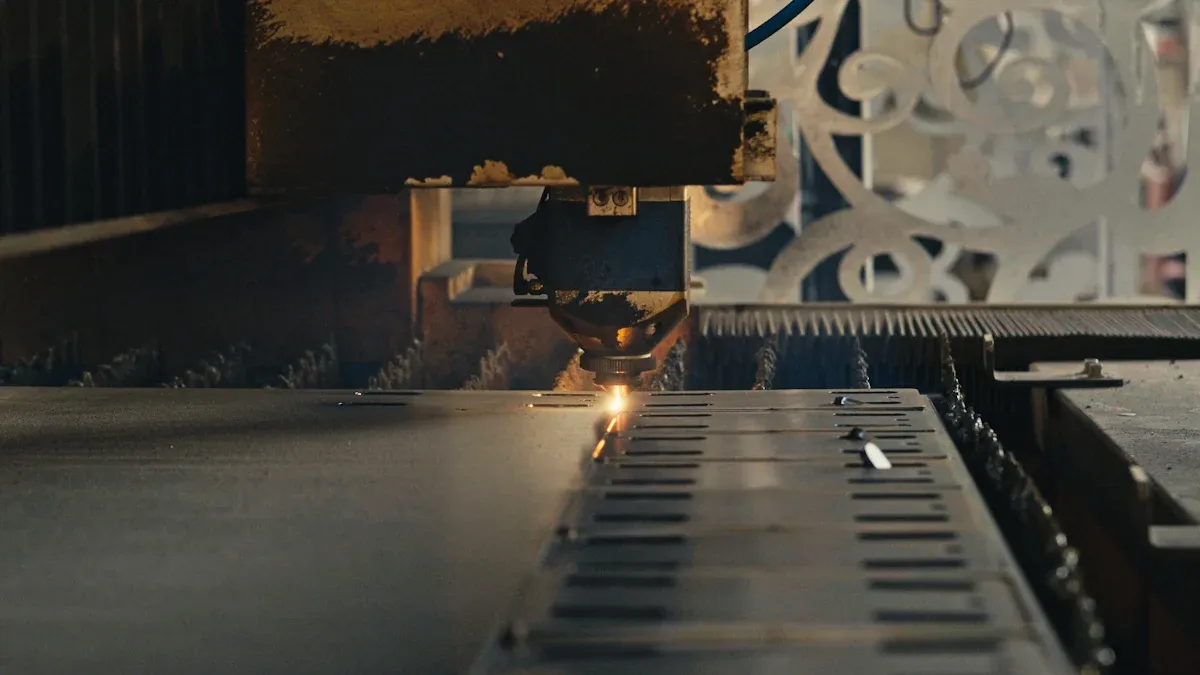
Selecting the wrong filter cutting machine represents a significant capital investment risk that can disrupt production for years. What matters most when evaluating any machine? While speed and price attract attention, material compatibility stands as the non-negotiable starting point. The cutting method must match the physical properties of each filter media type—whether woven, non-woven, melt-blown, or composite—to achieve clean edges, dimensional accuracy, and minimal material degradation. A laser system suits certain synthetic filters, yet another laser configuration may damage delicate melt-blown layers. Understanding these distinctions prevents costly mistakes. This guide walks through material testing first, then technology selection, production requirements, and facility constraints in logical sequence, helping manufacturers make sound investments that align with production goals.
Key Takeaways
Test your filter media on a machine before buying it.
Match the cutting method to your material type.
Laser cutting seals edges on synthetic fabrics.
Ultrasonic cutting works best for many synthetics.
Rotary die cutting suits high-volume production runs.
Automation reduces labor and boosts consistency.
Check machine footprint and safety compliance.
Ask for references and sample tests from suppliers.
Start with Material Compatibility
Material compatibility determines whether a filter cutting machine delivers clean, usable parts or destroys expensive media within the first hour of operation. Every filter medium responds differently to mechanical stress, heat, and pressure. A machine that performs well on one material can produce melted edges, frayed fibers, or dimensional distortion on another. Manufacturers must evaluate their specific media before considering speed, automation, or price.
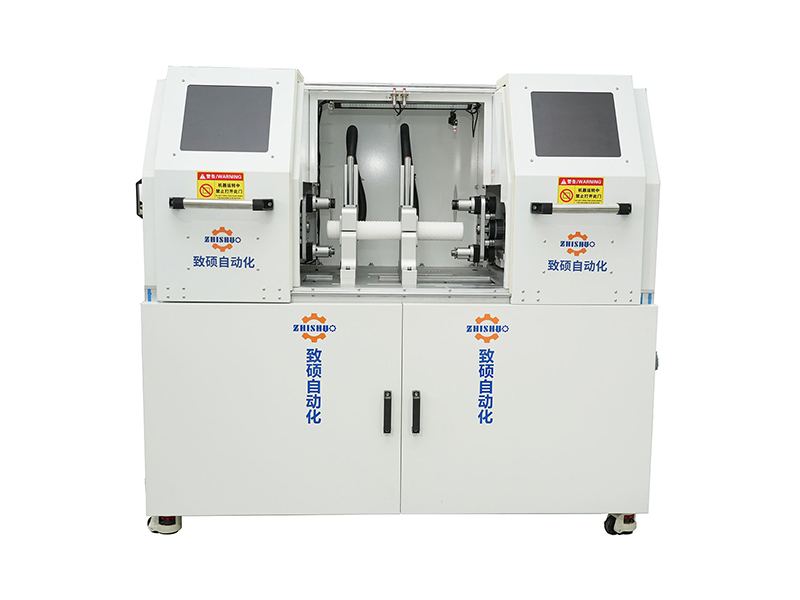
Why Material Type Dictates Your Choice
The physical structure of each filter medium creates unique cutting requirements. Synthetic materials like polypropylene and polyester respond well to heat-based methods, while woven fabrics demand mechanical approaches that preserve fiber integrity. Choosing a method that conflicts with material properties leads to rejected parts, wasted material, and production delays.
The Risk of Thermal Damage on Synthetic Media
Heat-based cutting methods pose significant risks for temperature-sensitive synthetic media. Polypropylene melt-blown fibers, commonly used in pleated filter cartridges, cannot withstand the high temperatures required by certain industrial standards. When excessive heat contacts these fibers, they melt unevenly, creating hardened edges that compromise subsequent welding processes. The damaged zone extends beyond the cut line, reducing the effective filtration area and weakening the overall structure. Glass fiber media presents similar concerns, performing poorly in high-temperature and high-humidity environments. Manufacturers processing these delicate materials must select cutting technologies that minimize thermal exposure while still producing clean edges.
The Problem of Fraying and Edge Quality on Woven Fabrics
Woven materials present an entirely different challenge. When mechanical blades cut woven wire mesh or synthetic mesh, individual fibers can pull loose from the weave structure. This fraying creates uneven edges that allow contaminants to bypass the filter media during operation. The problem intensifies with finer weaves, where individual strands measure only fractions of a millimeter. A poor edge quality on woven fabrics also complicates downstream processes like heat welding or end cap attachment. The cut must remain vertical and flat across the entire width; otherwise, the sealing surfaces fail to mate correctly with adjacent components.
Common Filter Media and Their Cutting Challenges
Different filter media categories—including nonwoven filtration media such as HEPA and ULPA media[1]—demand distinct approaches. Understanding these categories helps manufacturers narrow their machine options before requesting quotes or demonstrations.
Non-Woven and Melt-Blown Media (e.g., HEPA, ULPA)
Non-woven and melt-blown media present several cutting challenges[2] that directly impact machine selection:
Fiber diameter limitations restrict filtration performance. Glass media faces constraints on available diameter sizes, while metal fibers encounter similar limitations in production.
Temperature constraints eliminate certain cutting methods. Polypropylene melt-blown fibers cannot tolerate the high temperatures required for nuclear-grade HEPA applications. HEPA filters used in critical applications are subject to formal certification requirements[3].
Efficiency versus flow resistance creates a fundamental trade-off. Smaller fibers improve filtration efficiency but simultaneously increase airflow resistance, making clean edge cutting essential to preserve performance.
Material fragility makes these media vulnerable to damage. Glass fiber filter paper is particularly prone to tearing and crushing during handling and cutting operations.
Woven Wire Mesh and Synthetic Mesh
Woven materials require cutting methods that sever individual strands cleanly without pulling them from the weave. Rotary blade systems with precise clearance settings work well for these materials. The blade must penetrate completely through the mesh while maintaining consistent pressure across the entire cutting width. Any variation in blade sharpness or alignment produces ragged edges that compromise the filter’s structural integrity.
Composite and Multi-Layer Media
Composite media combine multiple material layers, each with different physical properties. A typical composite might sandwich a melt-blown layer between spun-bonded polypropylene layers. The cutting method must handle all layers simultaneously without delaminating them. Heat-based methods can seal the outer layers while potentially damaging the inner melt-blown core. Mechanical methods avoid thermal damage but may crush delicate inner layers. A versatile filter cutting machine can address this challenge through compatibility with a range of materials, allowing manufacturers to process diverse media types with a single system.
The Importance of Sample Testing Before Purchase
Sample testing represents the most reliable basis for machine selection. No specification sheet or demonstration video can replace the insight gained from cutting actual production material on the candidate machine. Manufacturers should send their real material, production files, and acceptance standards to the machine supplier before making any purchase decision.
What to Look for in a Test Cut (Edge Seal, Dimensional Tolerance)
A proper test evaluates multiple quality parameters. Examine the cut completeness across the entire material width. Check edge color and carbonization, particularly for heat-based cutting methods. Look for adhesive residue that might indicate incomplete separation. Measure feature dimensions against your specifications to verify dimensional accuracy. Assess cycle time to confirm the machine meets production requirements.
One successful sample does not prove machine capability. Request repeated panels cut under identical conditions. Measure dimensions from different positions across each panel. Ask for actual cycle time data rather than theoretical maximums. Inquire about the process window—the range of settings that produce acceptable results. These additional data points confirm whether the machine can maintain quality during sustained production runs. A machine that produces one perfect sample but fails during continuous operation offers no value to your manufacturing line.
Comparing Cutting Methods: Laser, Ultrasonic, and More
Three cutting technologies serve the filtration industry: laser, ultrasonic, and rotary die. Each method matches different material types and production volumes, and each must preserve the filtration performance that standardized filter test standards[4] are designed to verify. Understanding these distinctions helps manufacturers select the right approach for their specific filter media.
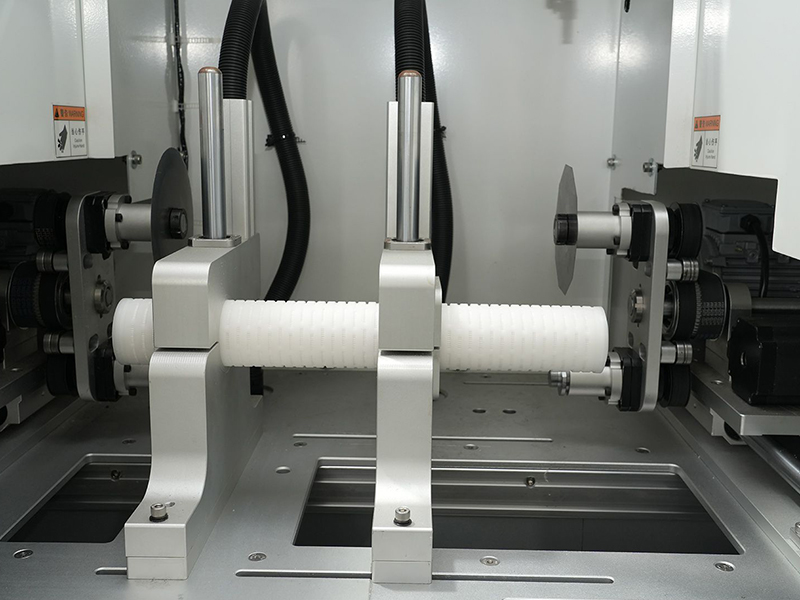
When to Choose a Laser Cutting Machine for Filtration Industry
A laser cutting machine for filtration industry provides high precision for complex shapes and sealed edge requirements. The focused beam vaporizes material along the cut line. This non-contact approach eliminates tool wear and reduces maintenance intervals. Operators can adjust power and speed to match each substrate.
Advantages of Laser Cutting Filter Cloth for Precision and Speed
Laser cutting filter cloth prevents fraying by melting fibers along the cut path. The sealed edge stops unraveling for polyester and nylon media. Laser cutting filter cloth for polyester yields smooth sealed edges that preserve material strength. Water treatment and food processing facilities rely on laser cutting filter cloth to maintain filter integrity. Laser cutting filter cloth for nylon delivers sharp accurate cuts with minimal distortion. Chemical and pharmaceutical operations depend on laser cutting filter cloth for consistent performance. Laser cutting filter cloth for nonwoven fabrics produces clean cuts for medical and automotive filtration shapes. The advantages of laser cutting filter cloth include elimination of secondary finishing operations. Laser cutting filter cloth reduces handling time and labor cost. The heat seals the cut edges during the process, which can reduce contamination risk in downstream handling. Understanding how to laser cut filter fabric requires knowledge of material response to heat.
Limitations and Cost Considerations
Laser systems require higher initial investment compared to mechanical cutters. Equipment cost includes the laser source, optics, cooling, and fume extraction. Operating costs include electricity and periodic optic replacement. Heat affected zones can appear on thin melt-blown layers. Manufacturers processing glass fiber media should test samples before selecting laser technology.
Ultrasonic Cutting: The Standard for Synthetic Fabrics
Ultrasonic cutting uses high-frequency vibration to generate localized heat through friction. The horn and anvil assembly melts and separates synthetic fibers simultaneously. This method produces clean sealed edges without blade replacement.
How It Works and Its Key Benefits
Ultrasonic cutting delivers clean sealed edges that reduce fraying. High cutting precision suits technical textiles with tight tolerances. The contactless tool avoids blade contamination and residue buildup. Reduced maintenance cuts downtime from blade dulling. Fast cutting supports continuous operations. Versatility across many synthetic fabrics makes ultrasonic cutting a flexible choice for multiple material types.
Ideal Applications and Material Limitations
Ultrasonic cutting excels with synthetic fabrics including polypropylene, polyester, and nylon. These materials respond well to frictional heat. However, pure natural fibers do not cut effectively. Cotton and cellulose-based media require alternative methods. Higher initial cost compared to mechanical cutters may deter smaller operations. Heat sensitivity can cause melting on very thin materials.
Rotary Die and Shear Cutting for High-Volume Production
Rotary die cutting operates as a continuous process for roll-fed filter media. Material passes between a rotating die and anvil roll. This method handles high volumes with consistent quality.
The Cost-Effectiveness of Die Cutting for Mass Production
Rotary die cutting achieves cost-effectiveness through high-speed continuous operation. The method suits high-volume orders where tooling costs become negligible per unit. Multi-function capability allows kiss cutting and lamination in a single pass. The high initial tooling cost makes sense only when production volumes justify the investment.
Comparing Rotary Die and Steel Rule Die Methods
Steel rule die cutting uses a flatbed press with lower initial tooling cost. However, slower speed makes steel rule suitable for short to medium runs. Rotary cutting works best for thin roll-fed media like filter cloth. Flatbed handles thicker sheets that cannot bend around a cylinder. Filter cutting machine selection depends on material type, volume, and budget.
Key Criteria for Selecting a Filter Cutting Machine
Once material compatibility narrows the technology options, manufacturers must evaluate practical production criteria. These factors determine whether a machine delivers acceptable return on investment in a specific facility. Each criterion connects directly to daily operations, labor costs, and output quality.
Evaluating Cutting Speed and Throughput
Speed attracts attention first, but throughput tells the complete story. A machine that cuts quickly yet requires frequent stops for adjustment produces less usable output than a slower, steadier system. Manufacturers should evaluate real-world productivity rather than theoretical maximums.
Calculating Your Required Production Volume (Parts per Hour)
Production planning starts with demand forecasting. A facility producing pleated filter cartridges for water treatment might need 500 finished pieces per shift. Another operation serving the bio-pharmaceutical sector may require only 150 pieces daily but demands tighter tolerances. These different production needs lead to different machine configurations.
A filter cutting machine may offer multiple configurations with distinct productivity rates, suitable for different production volumes. A manufacturer with high volume may need a faster configuration, while a slower unit may not meet the demand.
Calculating required volume also involves accounting for setup time, material loading, and quality checks. These non-cutting activities consume a significant portion of available operating time. A realistic calculation accounts for these factors to estimate sustainable output.
Balancing Speed with Dimensional Accuracy and Stability
Higher cutting speeds introduce vibration and thermal effects that degrade accuracy. A machine running at maximum velocity may produce acceptable parts initially, but dimensional drift appears as components heat up during sustained operation. Servo motor controls address this challenge by maintaining consistent positioning regardless of operating duration.
The servo-driven system supports pleated cartridges with a range of tube lengths and diameters. The servo motors hold dimensional accuracy across the full range of sizes. Operators can switch between different cartridge sizes without recalibrating the cutting path. This stability matters more than peak speed for manufacturers producing precision components.
Assessing Machine Footprint and Factory Layout
Floor space represents a fixed cost that manufacturers cannot recover. A cutting machine that requires excessive clearance for operation and maintenance forces facility redesign or reduces available space for other equipment. Evaluating footprint requirements before purchase prevents expensive layout changes later.
Space Requirements for Operation and Maintenance
Every cutting machine needs clearance on all sides. Operators require space to load raw materials, remove finished pieces, and access control panels. Maintenance technicians need additional room to reach motors, blades, and drive systems. A machine with an integrated dust collection system eliminates the need for separate floor-mounted collectors, saving valuable square footage.
The machine integrates its industrial dust collection system directly into the unit. This design removes the need for external ductwork and separate collection equipment. Manufacturers with limited floor space benefit from this consolidated approach, as the machine occupies a single footprint rather than spreading across multiple stations.
Planning for Material Loading and Unloading
Material flow around the machine affects labor efficiency. A machine with an auto-loading hopper reduces the frequency of manual material handling. Operators load a batch of raw tubes into the hopper, and the machine feeds each piece automatically. This feature allows one operator to manage multiple machines simultaneously.
The automatic discharge system delivers finished pieces to a collection point, eliminating the need for operators to reach into the cutting zone. This design improves both safety and workflow. Manufacturers should map the complete material path from storage to finished goods when planning machine placement.
Operator Friendliness and Safety Compliance
A machine that operators struggle to use produces inconsistent results. Complex setup procedures invite errors. Difficult changeover processes reduce available production time. Safety deficiencies create liability risks that outweigh any productivity gains.
Ease of Setup, Operation, and Changeover
Touch screen controls simplify operation significantly. Operators enter the desired cartridge length, and the machine adjusts automatically. This eliminates manual measurement and blade positioning errors. Changeover between different cartridge lengths takes seconds rather than minutes.
The machine includes automatic counting and discharge functions. Operators can monitor production progress without stopping the machine to count finished pieces. This feature reduces labor requirements and provides accurate production data for inventory management.
Essential Safety Guards and Compliance with OSHA Standards
Machine guarding protects operators from serious injuries. OSHA standard 1910.212 establishes specific requirements for industrial equipment. Manufacturers must verify that any cutting machine complies with these regulations before installation. The key OSHA requirements include:[5]
General guarding requirement (1910.212(a)(1)): Machines must have guards protecting operators from point of operation hazards, ingoing nip points, rotating parts, flying chips, and sparks. Acceptable methods include barrier guards, two-hand tripping devices, and electronic safety devices.
Guard construction (1910.212(a)(2)): Guards must attach securely to the machine wherever possible. They must not create additional accident hazards themselves.
Point of operation guarding (1910.212(a)(3)(ii)): The area where cutting occurs must prevent any part of the operator’s body from entering the danger zone during operation.
Supplementary tools (1910.212(a)(3)(iii)): Special hand tools may assist with placing and removing material, but they cannot replace required guarding.
Machine categories (1910.212(a)(3)(iv)): Guillotine cutters, shears, and power saws typically require point of operation guarding—categories that include filter cutting equipment.
Anchoring (1910.212(b)): Machines designed for fixed locations must anchor securely to prevent movement during operation.
A reputable manufacturer designs machines with these standards in mind. Buyers should request documentation confirming compliance before finalizing any purchase. Safety features protect workers and reduce liability exposure, making them essential investments rather than optional additions.
The Role of Automation in Modern Cutting Machines
Automation transforms filter cutting from a labor-intensive operation into a continuous production process. Modern machines handle material feeding, cutting, counting, and discharge with minimal operator intervention. These smart features reduce labor costs, improve consistency, and minimize waste. For manufacturers evaluating long-term return on investment, automation capabilities often determine whether a machine delivers value over its full service life.
Reducing Waste and Manual Labor with Smart Features
Manual cutting operations require constant operator attention. Workers load each tube, position it precisely, activate the cutting cycle, and remove finished pieces. This repetitive process introduces variability and consumes valuable labor hours. Automated systems eliminate these manual steps, allowing one operator to supervise multiple machines simultaneously.
Auto-Loading and Discharge Systems for Continuous Operation
An auto-loading hopper changes the economics of filter production. Operators load a batch of raw tubes into the hopper once, and the machine feeds each piece automatically. This design eliminates the need for an operator to stand at the machine throughout the shift. The same automation extends to the discharge side. Finished pieces move automatically to a collection point, ready for the next production stage.
A filter cutting machine can demonstrate this approach with its integrated hopper and automatic discharge system. A single operator can manage several machines running different filter specifications. This configuration reduces direct labor costs while maintaining consistent output. The machine also counts finished pieces automatically, providing accurate production data without manual tallying.
Touch Screen Controls and One-Key Length Settings
Touch screen interfaces simplify machine operation dramatically. Operators enter the desired cartridge length, and the machine adjusts its cutting parameters automatically. This eliminates manual blade positioning and measurement errors that plague older equipment. Changeover between different filter lengths takes seconds rather than minutes.
These controls also reduce training requirements. New operators learn the touch screen interface quickly, reducing the time before they contribute to production. The system stores frequently used settings, allowing operators to recall configurations with a single touch. This feature proves valuable for manufacturers producing multiple filter sizes throughout the day.
Integrating the Cutting Machine into Your Production Line
A cutting machine does not operate in isolation. Its value depends on how well it connects with upstream material supply and downstream assembly processes. Manufacturers should evaluate integration options before purchasing to avoid bottlenecks and workflow disruptions.
Inline Cutting vs. Standalone Operation
Inline cutting positions the machine directly within a continuous production flow. Raw material feeds from upstream equipment, and finished pieces move directly to the next station. This configuration minimizes work-in-progress inventory and reduces material handling. Standalone operation offers greater flexibility. The machine runs independently, allowing manufacturers to adjust production schedules without coordinating multiple processes.
Each approach suits different production environments. High-volume facilities producing a single filter type benefit from inline integration. Facilities handling multiple filter specifications often prefer standalone machines that can switch between products quickly. The machine supports both configurations, giving manufacturers flexibility to match their existing workflow.
Compatibility with Existing Downstream Processes (e.g., Welding)
Cut quality directly affects downstream operations. A filter cartridge with a clean, burr-free edge creates a reliable seal during heat welding. Poor cuts force operators to perform manual deburring, adding labor and introducing quality risks. The machine delivers vertical and flat cuts, reducing manual deburring and supporting consistent downstream welds.
Manufacturers should verify that a candidate machine produces edges compatible with their specific downstream equipment. A laser cutting filter cloth system produces sealed edges suitable for many applications. However, filter cloth laser cutting may not suit every material. Testing actual material on the machine confirms compatibility before purchase. This validation prevents costly integration problems after installation.
Automation delivers measurable benefits through reduced labor, consistent quality, and minimal material waste. Manufacturers who prioritize these features position themselves for sustainable production efficiency.
Comparing Machine Configurations: A Practical Example
Two production scenarios illustrate how the selection criteria translate into concrete machine choices. Each scenario represents a common manufacturing situation. The recommended configurations demonstrate how material type, production volume, and facility constraints shape the final decision.
Scenario A: High-Volume, Single-Material Production
A manufacturer produces pleated polypropylene filter cartridges for municipal water treatment plants. The facility runs two shifts daily, processing 1,600 cartridges per shift. All cartridges share the same diameter and length specifications. The material never changes. This operation demands maximum throughput with consistent quality.
Recommended Configuration (e.g., High-Speed Double-Head Cutter)
The double-head configuration suits this production profile. This machine cuts both ends of each cartridge simultaneously, eliminating a separate handling step. The double-head model cuts both ends at once and achieves high productivity; with two machines running in parallel, the 1,600-piece-per-shift target is met.
The double-head design also reduces floor space requirements. One double-head machine occupies less area than two single-head units producing the same output. The integrated dust collection system eliminates external ductwork. Operators load raw tubes into the auto-feeding hopper, and the machine handles the rest.
How This Configuration Meets the Key Criteria
This configuration delivers the dimensional accuracy required for consistent heat welding downstream. The servo motor controls maintain precise positioning across the raw tube length. The rotary system produces burr-free edges that create reliable seals during end cap attachment.
The automation features minimize labor costs. One operator supervises both machines, loading hoppers and monitoring the touch screen. The automatic counting system tracks production without manual tallying. The automatic discharge system delivers finished pieces to the collection point. This arrangement maximizes efficiency while maintaining quality standards.
Scenario B: Low-Volume, High-Mix, Multi-Material Production
A specialty manufacturer produces custom filter cartridges for pharmaceutical and food processing clients. Order sizes range from 50 to 500 pieces. Materials vary between polypropylene, polyester, and PTFE membranes. Cartridge lengths change frequently throughout the day. This operation demands flexibility over raw speed.
Recommended Configuration (e.g., CNC Ultrasonic or Laser)
The ultrasonic edge cutter configuration suits this production profile. This machine can handle multiple synthetic materials. The ultrasonic method seals edges during cutting, preventing fraying on polyester and nylon media. The touch screen stores settings for each material type, allowing quick changeover between orders.
For manufacturers processing materials that require sealed edges on complex shapes, a laser cutting filter cloth system offers an alternative. Laser cutting filter cloth delivers precise results on polyester and nylon media. The non-contact process eliminates tool wear and reduces maintenance intervals. A recommended filter cloth laser cutting machine includes adjustable power settings to match each substrate.
How This Configuration Meets the Key Criteria
The ultrasonic configuration handles the material variety without sacrificing edge quality. Operators select the stored program for each material, and the machine adjusts cutting parameters automatically. Changeover between cartridge lengths takes seconds rather than minutes. This flexibility allows the manufacturer to accept small orders profitably.
The laser option provides additional versatility for intricate geometries. Filter cloth laser cutting produces sealed edges that prevent unraveling during operation. The precision of laser cutting filter cloth suits applications requiring tight dimensional tolerances. Both configurations deliver the clean cuts necessary for subsequent welding processes.
Key Questions to Ask a Potential Machine Manufacturer
Before finalizing any purchase, manufacturers should conduct thorough due diligence. The right questions reveal whether a supplier can support long-term production needs.
Inquiring About Customization Options and Technical Support
Ask whether the manufacturer can adapt the machine to specific requirements. Some facilities need modified hopper sizes or specialized discharge systems. Others require integration with existing conveyor lines. A manufacturer offering OEM/ODM customization demonstrates engineering capability. Inquire about technical support availability. Ask whether installation videos, online training, and remote troubleshooting are included. Confirm the warranty terms and the availability of replacement parts.
Requesting References and Case Studies from Your Industry
Request contact information for existing customers in similar applications. A manufacturer serving the filtration industry should provide references readily. Ask about their experience with specific materials and production volumes. Case studies from your industry reveal how the equipment performs under real-world conditions. These conversations provide insights that specification sheets cannot convey. A reputable manufacturer welcomes this scrutiny because their equipment performs reliably in the field.
The selection process concludes with a clear understanding of production requirements and supplier capabilities. The right machine configuration aligns with material types, volume targets, and facility constraints. The right manufacturer provides testing, customization, and ongoing support. Together, these elements ensure a sound investment that delivers consistent performance and minimal material waste for years.
Selecting the right filter cutting machine begins with material testing. The process flows through technology selection, production requirements, and facility constraints. Wrong choices carry severe financial penalties. One industry analysis estimates that improper oil filtration can cost food processors up to $1,872,000 annually, and that coolant downtime in metalworking can exceed $1 million per year. The best machine aligns with specific applications, not the fastest or most expensive option.
Laser cutting filter cloth suits sealed-edge production. Laser cutting filter cloth for polyester prevents fraying. Laser cutting filter cloth produces clean edges for nonwoven media. Filter cloth laser cutting requires proper machine parameters. Evaluate a laser system through sample testing. A dependable partner provides cutting support and customization.
Need Help Selecting the Right Filter Cutting Machine?
Send us your material samples, production files, and acceptance standards. We will help you choose the correct configuration and arrange a material test.
Send Us an InquiryFAQ
How Does Material Compatibility Affect Machine Selection?
Material compatibility determines which cutting technology works. Synthetic media like polypropylene responds well to ultrasonic cutting. Woven fabrics require mechanical methods that prevent fiber pull-out. Composite materials need systems that handle multiple layers without delamination. Testing actual production material on candidate machines provides the most reliable guidance before purchase.
What Is the Difference Between Laser and Ultrasonic Cutting?
Laser cutting uses a focused beam to vaporize material along the cut path. This method seals edges on polyester and nylon media while preventing fraying. Ultrasonic cutting generates localized heat through high-frequency vibration. Both methods produce clean edges, but laser systems cost more initially. Material type and production volume should guide the choice.
How Many Pieces Per Hour Can a Filter Cutting Machine Produce?
Production rates vary by machine configuration. A single-head unit, double-head configuration, and ultrasonic edge cutter each offer different throughputs. Manufacturers should request actual cycle time data from the supplier.
What Safety Standards Apply to Filter Cutting Equipment?
OSHA standard 1910.212 establishes guarding requirements for industrial machinery. Machines must protect operators from point of operation hazards, rotating parts, and flying debris. Guards must attach securely and not create additional hazards. Buyers should request compliance documentation from manufacturers before finalizing any purchase agreement.
Can One Machine Handle Multiple Filter Media Types?
Yes, versatile machines accommodate various materials. Some systems support a range of synthetic media within a single unit. Operators adjust cutting parameters through touch screen controls to match each material. This flexibility suits manufacturers producing diverse filter products. Sample testing confirms whether a specific machine handles the exact media combination required.
What Automation Features Reduce Labor Costs?
Auto-loading hoppers feed raw tubes without constant operator attention. Automatic discharge systems deliver finished pieces to collection points. Touch screen controls simplify changeover between products. Automatic counting tracks production accurately. These features allow one operator to supervise multiple machines simultaneously, reducing direct labor costs.
How Should Manufacturers Evaluate a Machine Supplier?
Request references from customers in similar applications. Ask about customization options and technical support availability. Confirm warranty terms and replacement part availability. Inquire whether installation videos and online training are included. A reputable manufacturer welcomes scrutiny because their equipment performs reliably in the field. Case studies from your industry reveal real-world performance data.
What Role Does Sample Testing Play in Machine Selection?
Sample testing provides the most reliable basis for purchase decisions. Manufacturers should send actual production material to the supplier for test cuts. Examine edge quality, dimensional accuracy, and cycle time. Request repeated panels under identical conditions. One perfect sample does not prove capability. Sustained quality during continuous operation matters more than a single successful demonstration.
Next: Beijing Water Exhibition
References
INDA — Association of the Nonwoven Fabrics Industry (nonwoven media resources). https://www.inda.org/
PMC — National Library of Medicine (peer-reviewed review on non-woven and melt-blown filtration media). https://pmc.ncbi.nlm.nih.gov/articles/PMC9579614/
NIOSH — National Institute for Occupational Safety and Health (HEPA filter certification requirements). https://www.cdc.gov/niosh/
ASHRAE — American Society of Heating, Refrigerating and Air-Conditioning Engineers (filter test standards). https://www.ashrae.org/
OSHA — 29 CFR 1910.212, General Requirements for All Machines (machine guarding). https://www.osha.gov/laws-regs/regulations/standardnumber/1910/1910.212


